Every project begins with listening, then rebuilding. I’m Tyler, a multidisciplinary creative.
Structure, hierarchy, and clarity are the foundation of everything I do. Less concerned with how something looks at first glance, more concerned with how it holds up over time. Projects typically begin with a tight set of rules and constraints, then are shaped through testing, iteration, and the discipline of removing what isn't essential. What interests me most are systems with enough internal logic to evolve without falling apart.

A Proven Track Record


Awards and Nominations
NASA’s Graphic Design Competition Nominee
NASA Group Agency Honor Award
2022
2021
Baltimore Design Week Nominee
2019
Leadershape Nominee and Graduate
2019
Deans List
2018
What I’m Working on Now
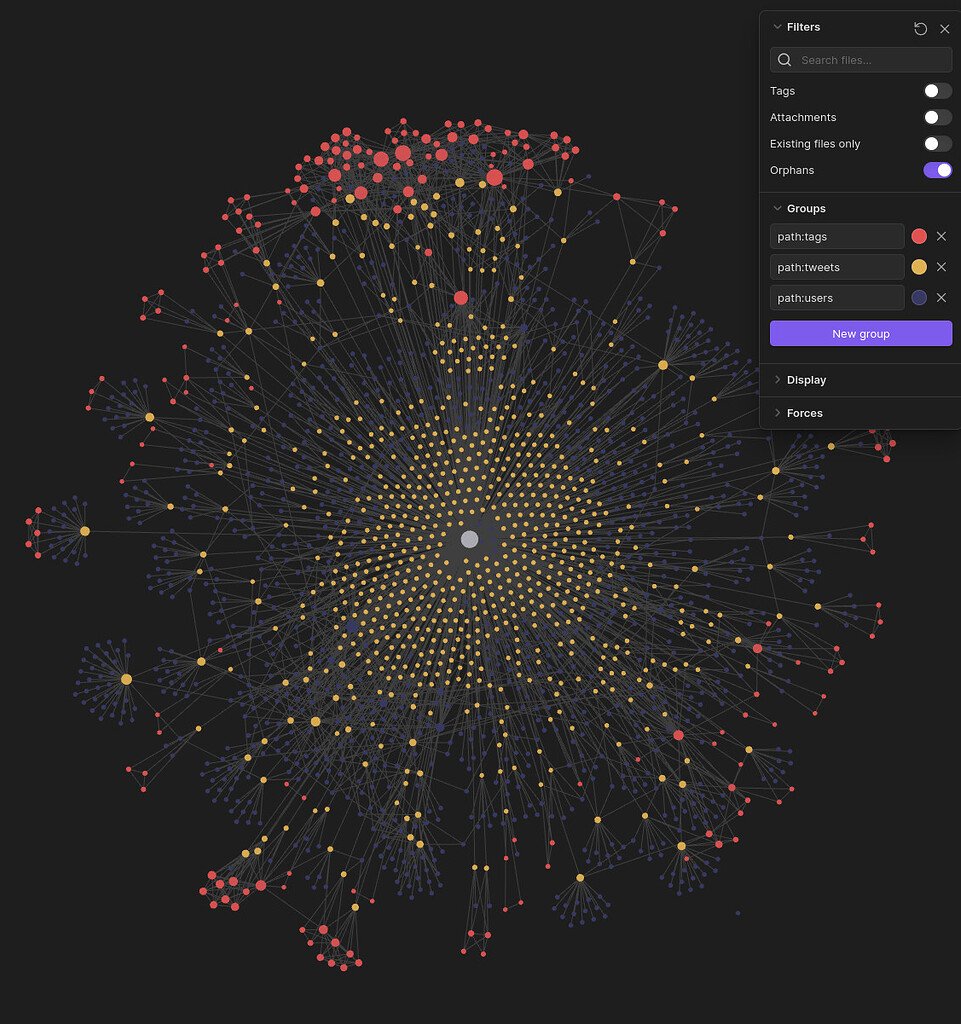
I'm building a second brain in Obsidian. A personal knowledge system designed around the same principles that drive everything else I make: structure, hierarchy, and reduction. The goal is a system that compounds over time, surfacing what matters when it's useful rather than burying it where it won't be found.
Website
Obsidian - Sharpen Your Thinking
Started
01/01/2026
Past Projects
Explore a collection of my past work, where imagination meets strategy. Each project reflects my drive to deliver something thoughtful and effective.
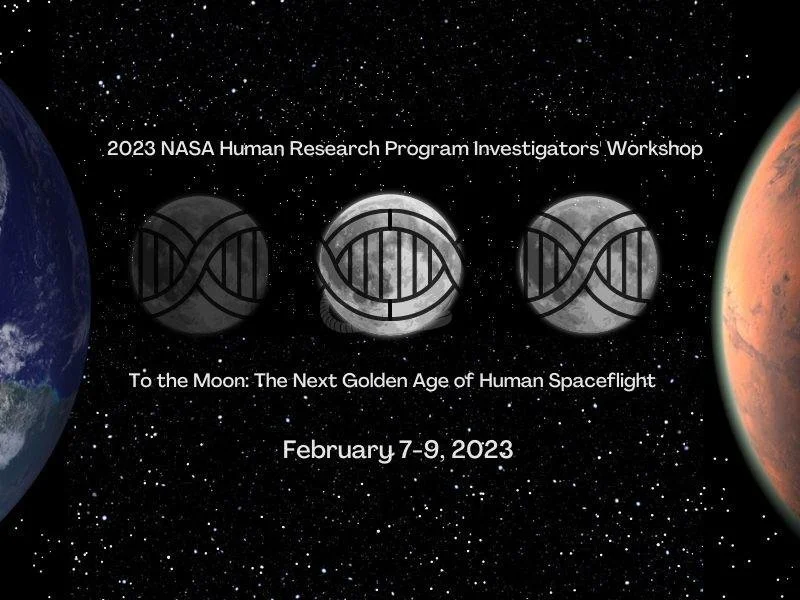
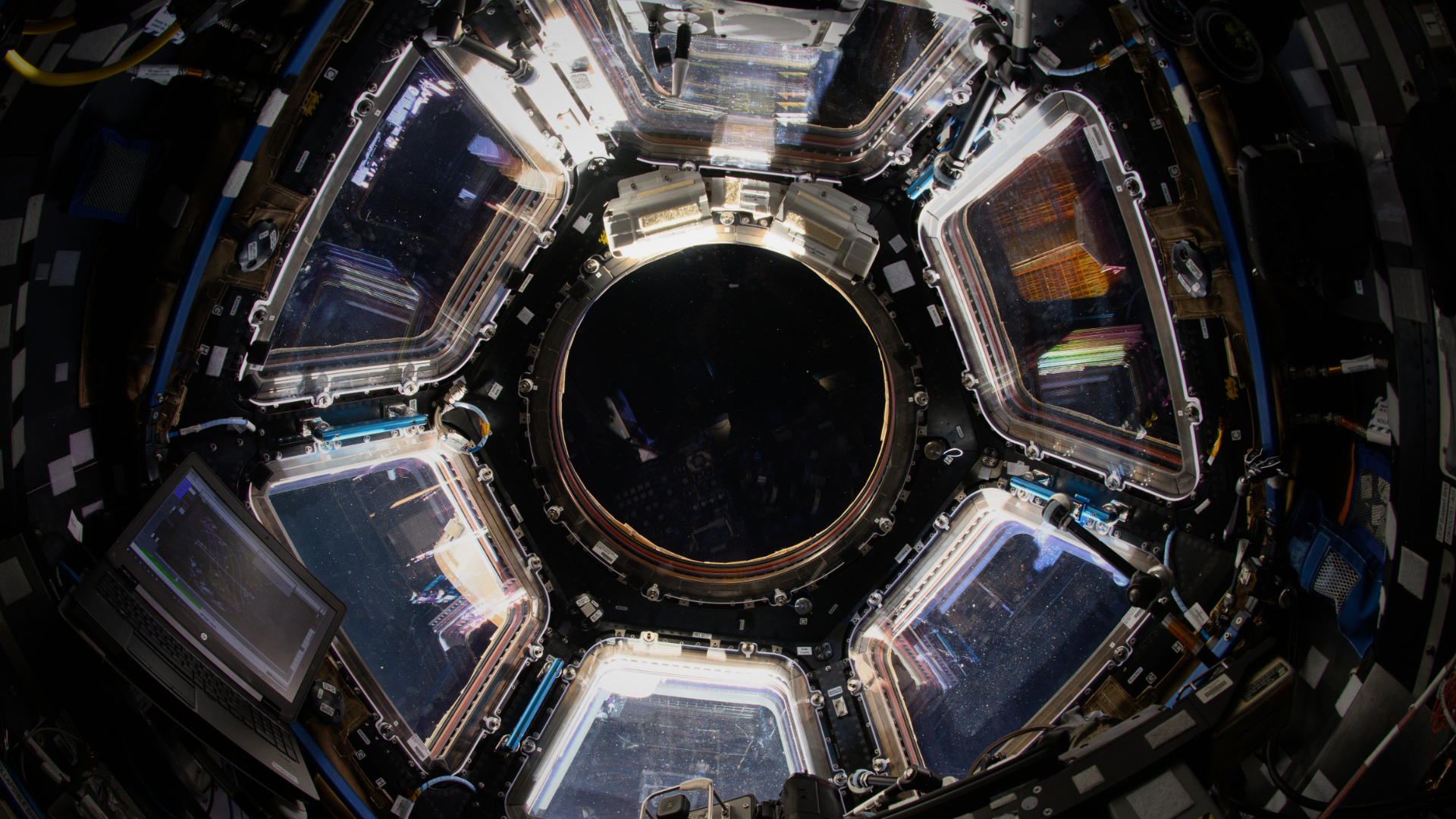
One of the most meaningful creative projects I've been a part of was entering the 2023 NASA Human Research Program Investigators Workshop Design Competition, I worked to craft something that honored the mission's identity while fitting within the iconic visual language that NASA is known for: bold imagery, precise iconography, and a sense of purpose in every detail. Seeing a design I created become a graphic associated with one of the world's most recognized workshops at NASA.
Design Project
NASA Human Research Program Investigators Workshop
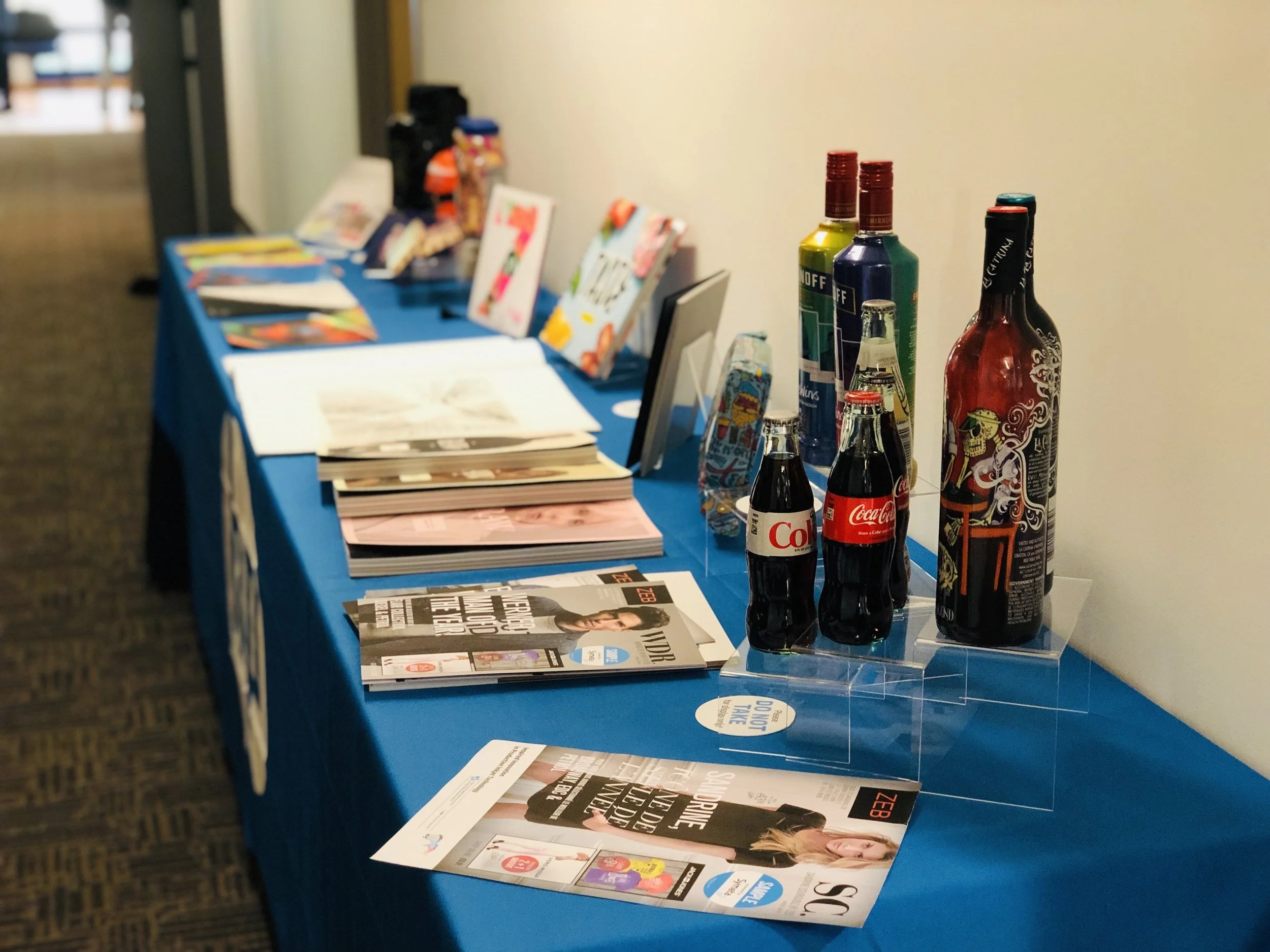
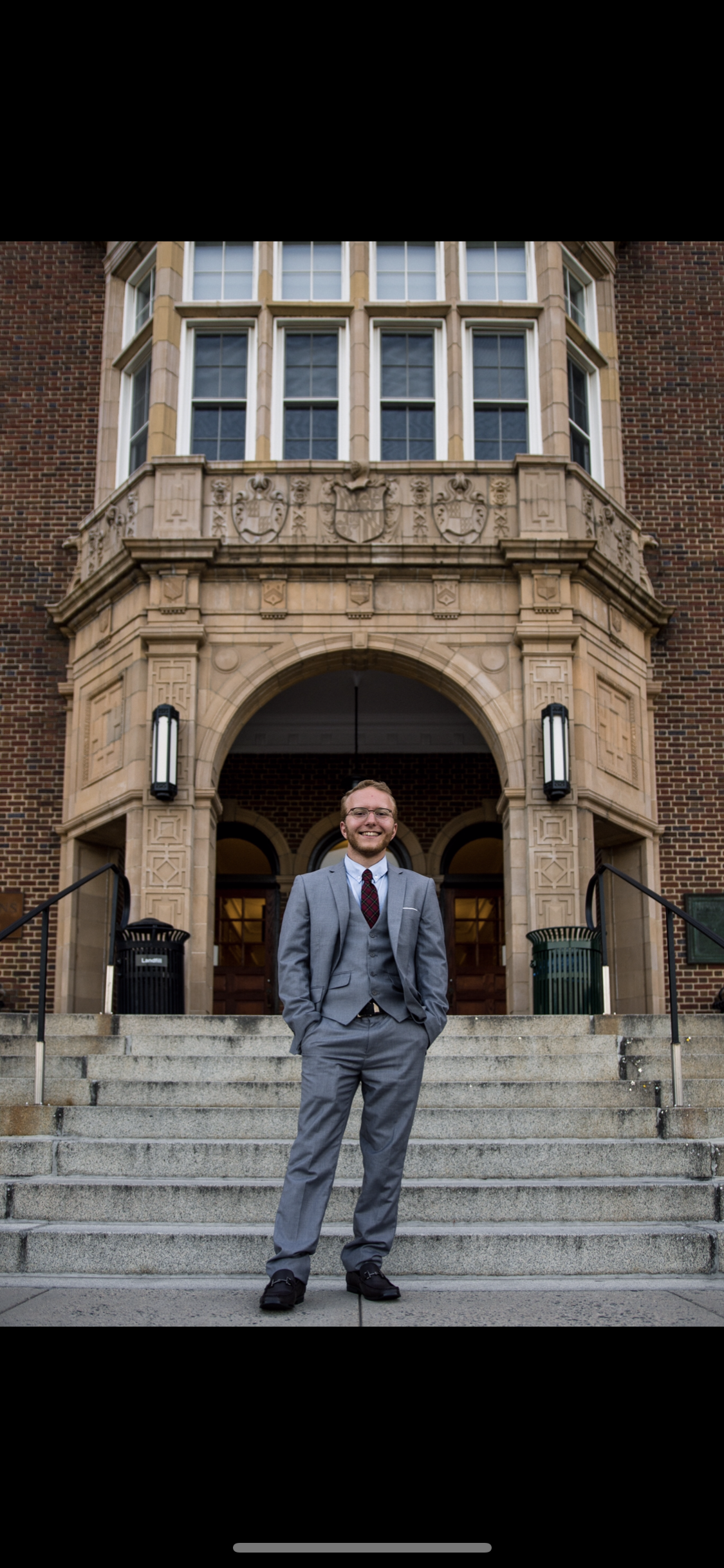
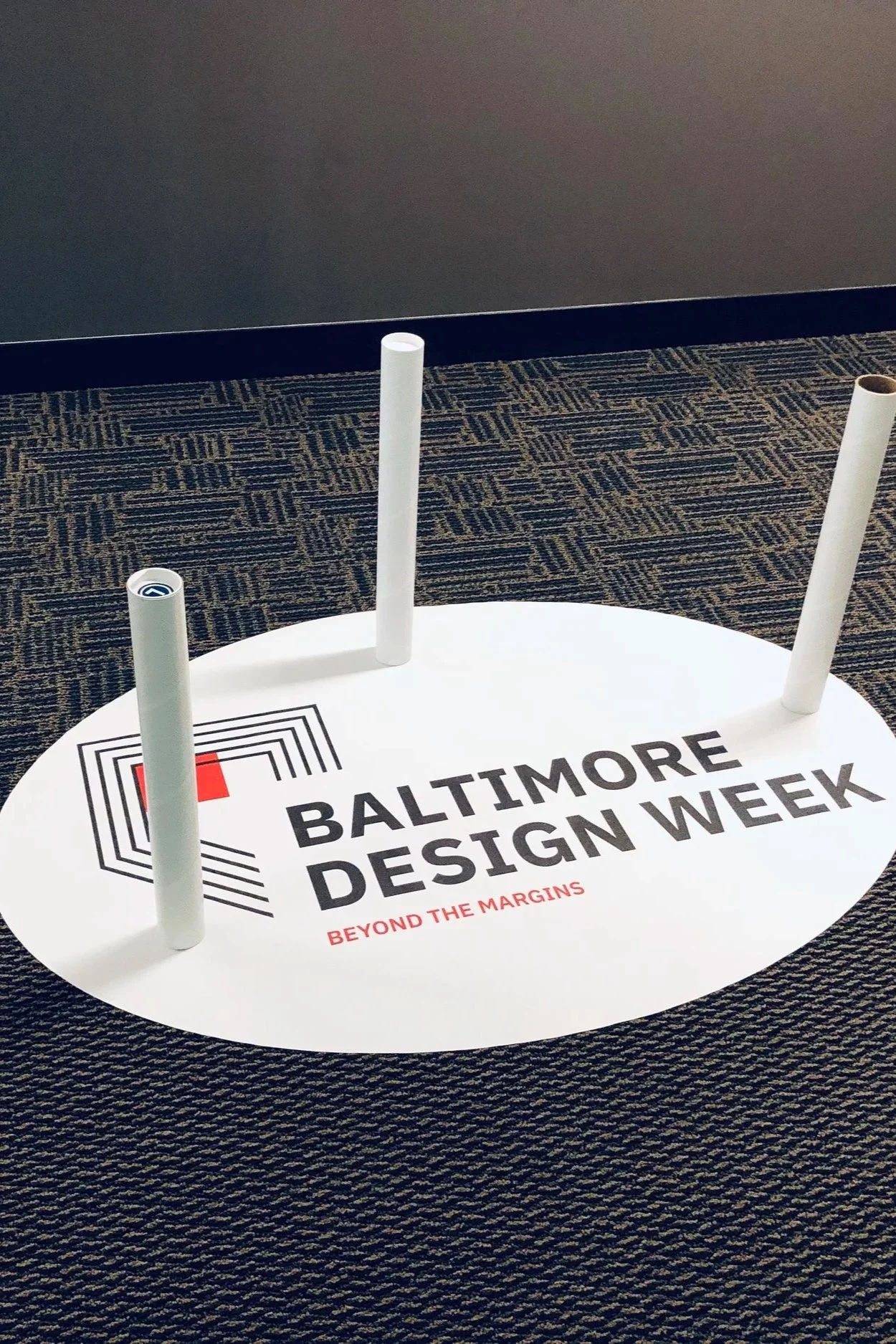
Selected to represent my organization at Baltimore Design Week, I had the opportunity to bring our creative work to one of the region's most celebrated gatherings of designers, artists, and visual thinkers. I helped curate and present a showcase of work I had directly contributed to, giving attendees an authentic look at the creative process behind the pieces on display. But beyond presenting finished work, I was intentional about making the space itself feel welcoming and generative, opening up conversations, inviting other creatives to share their perspectives, and creating an environment where collaboration and mutual inspiration felt natural. Being chosen for that role was a reflection of both the work I had put in and the trust my organization placed in me to be a genuine ambassador for our creative identity on a public stage. (More photos below)
Design Project | Event Management
Baltimore Design Week
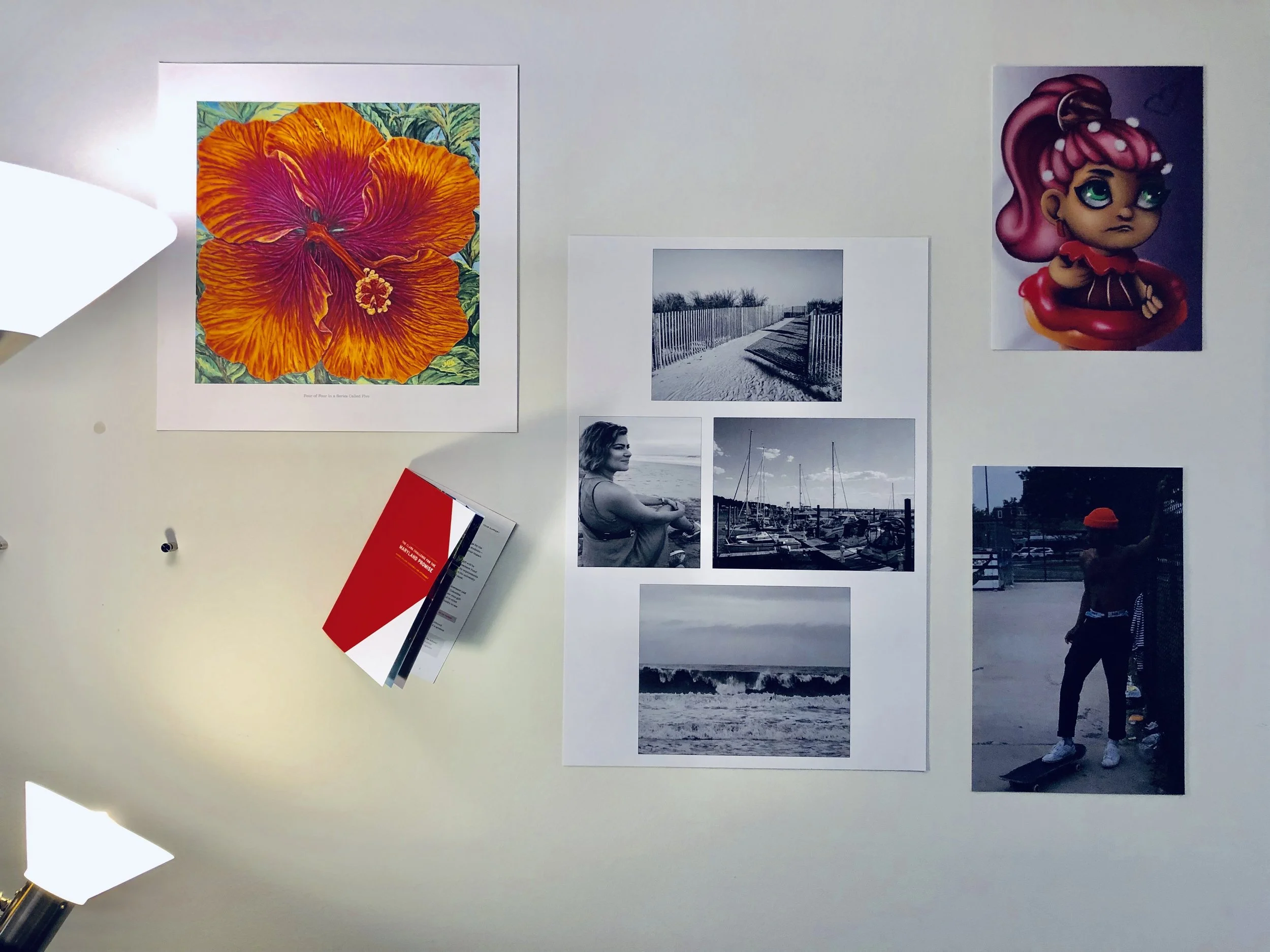
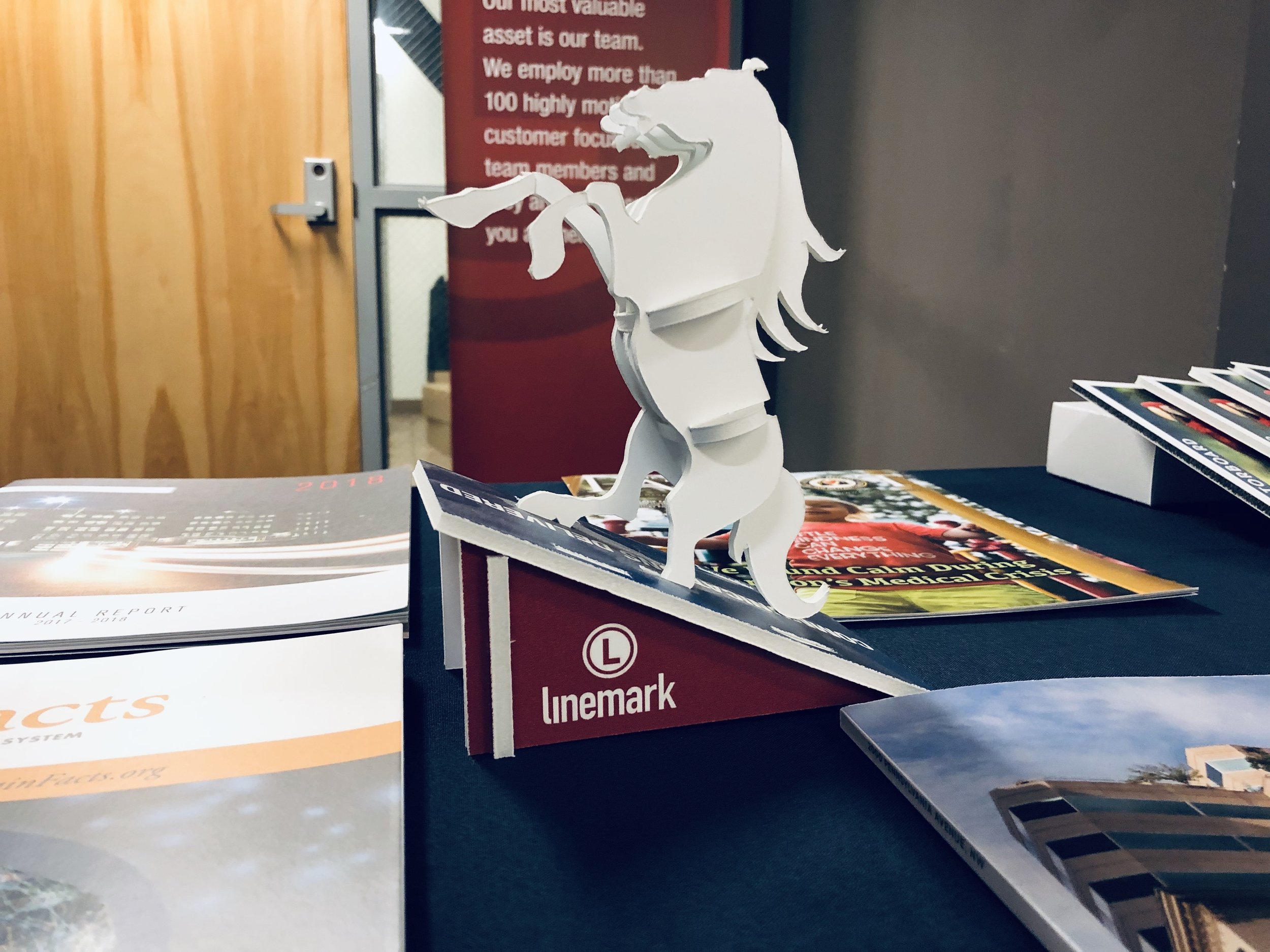
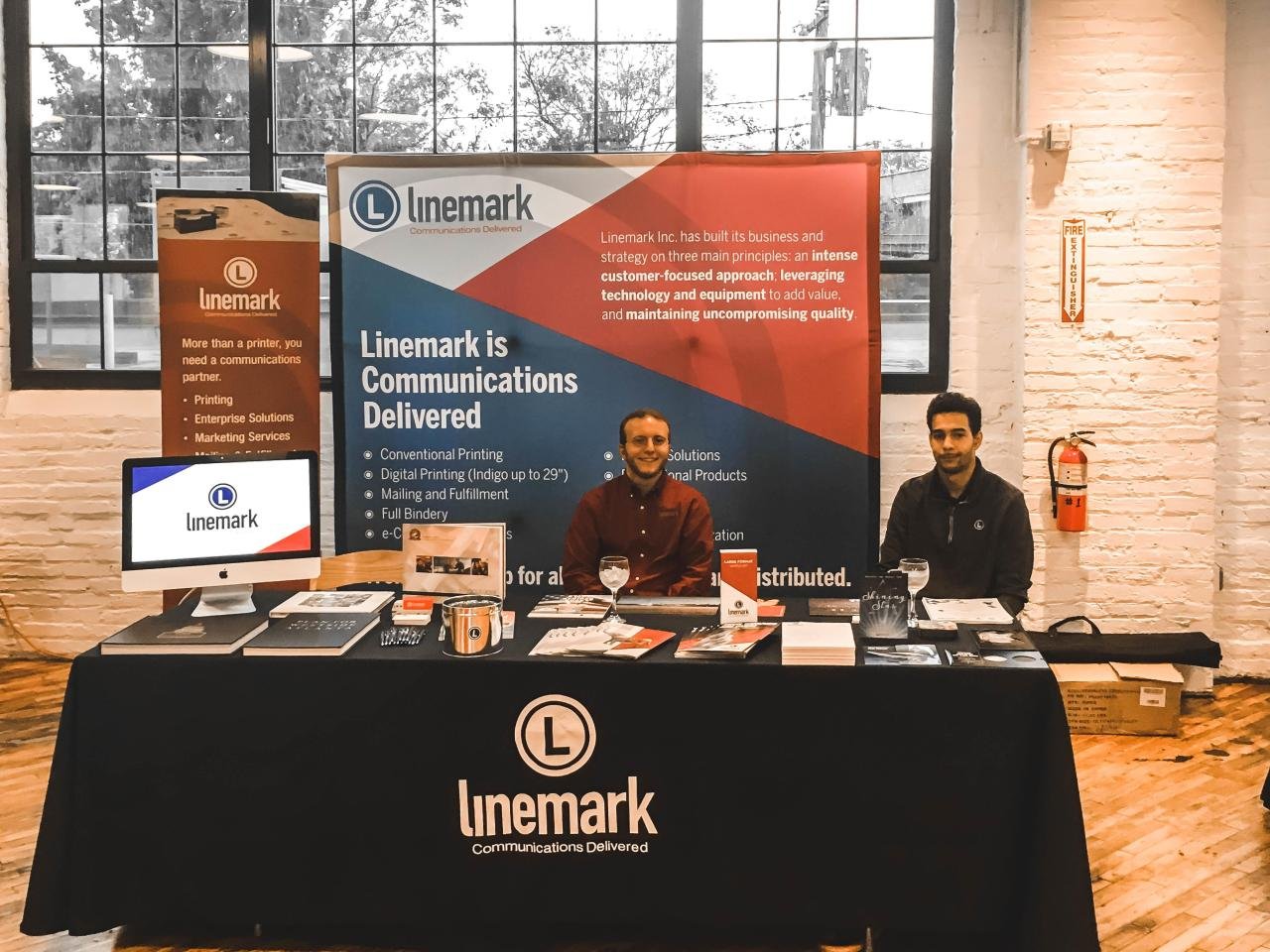
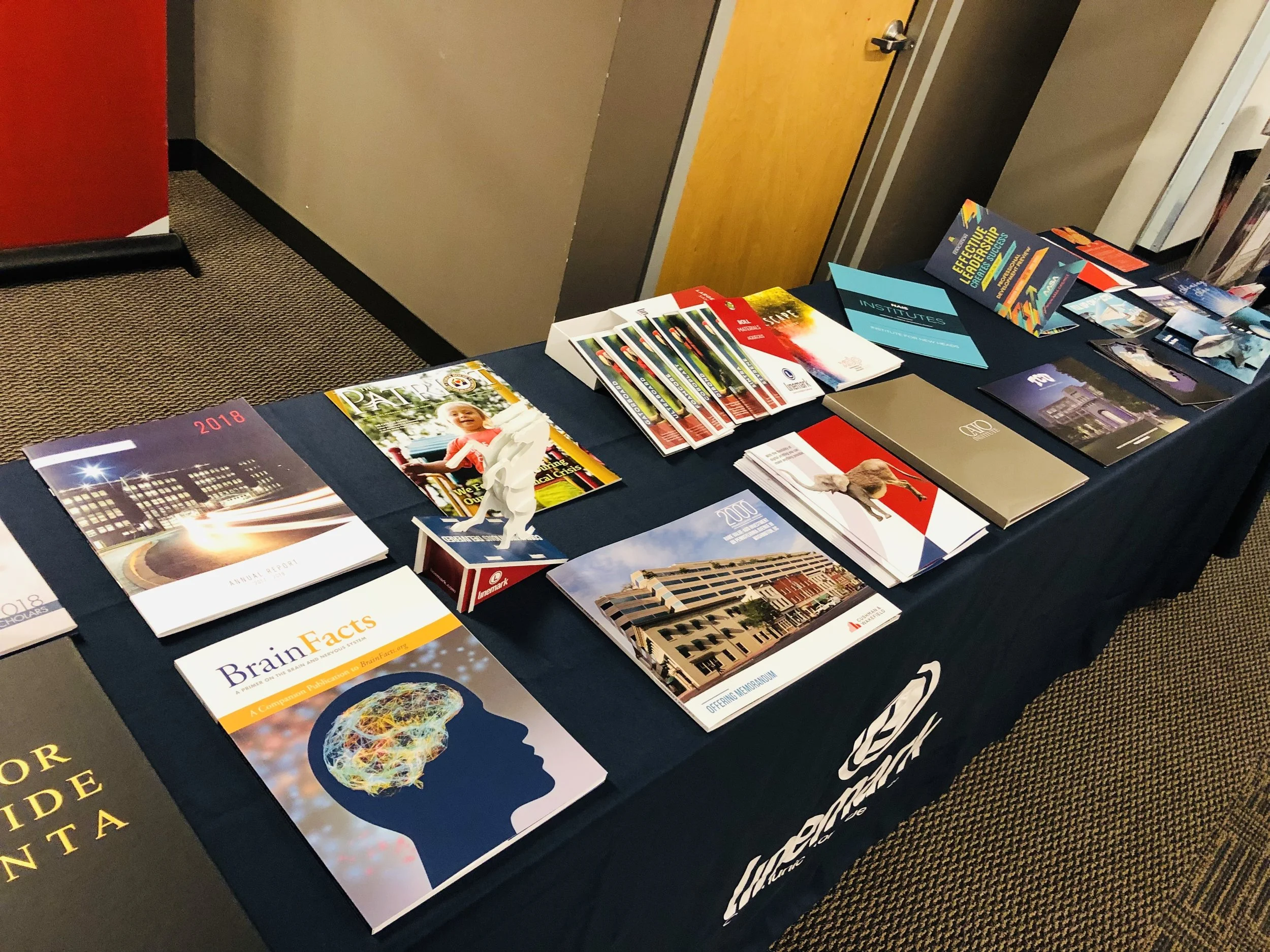
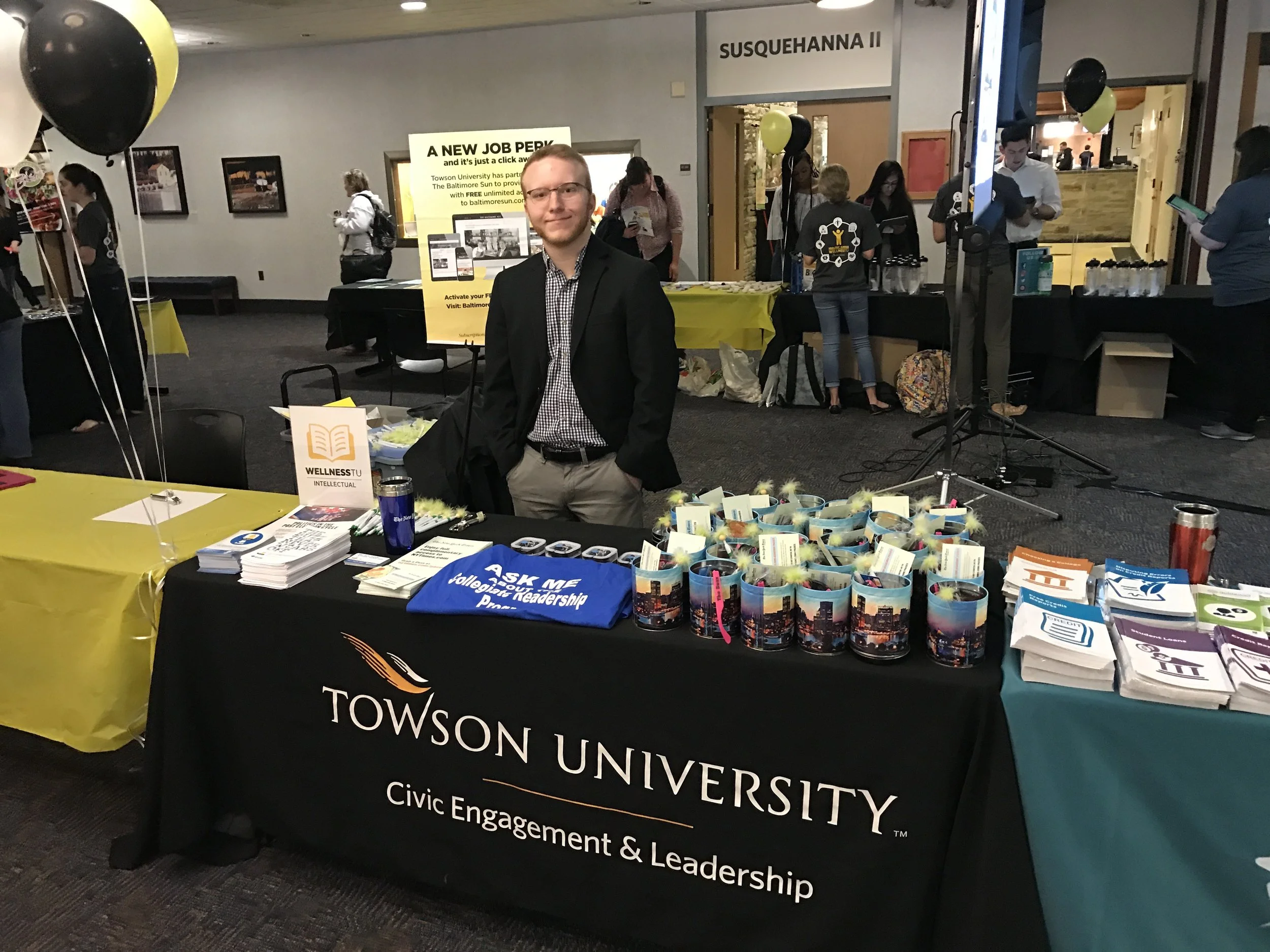
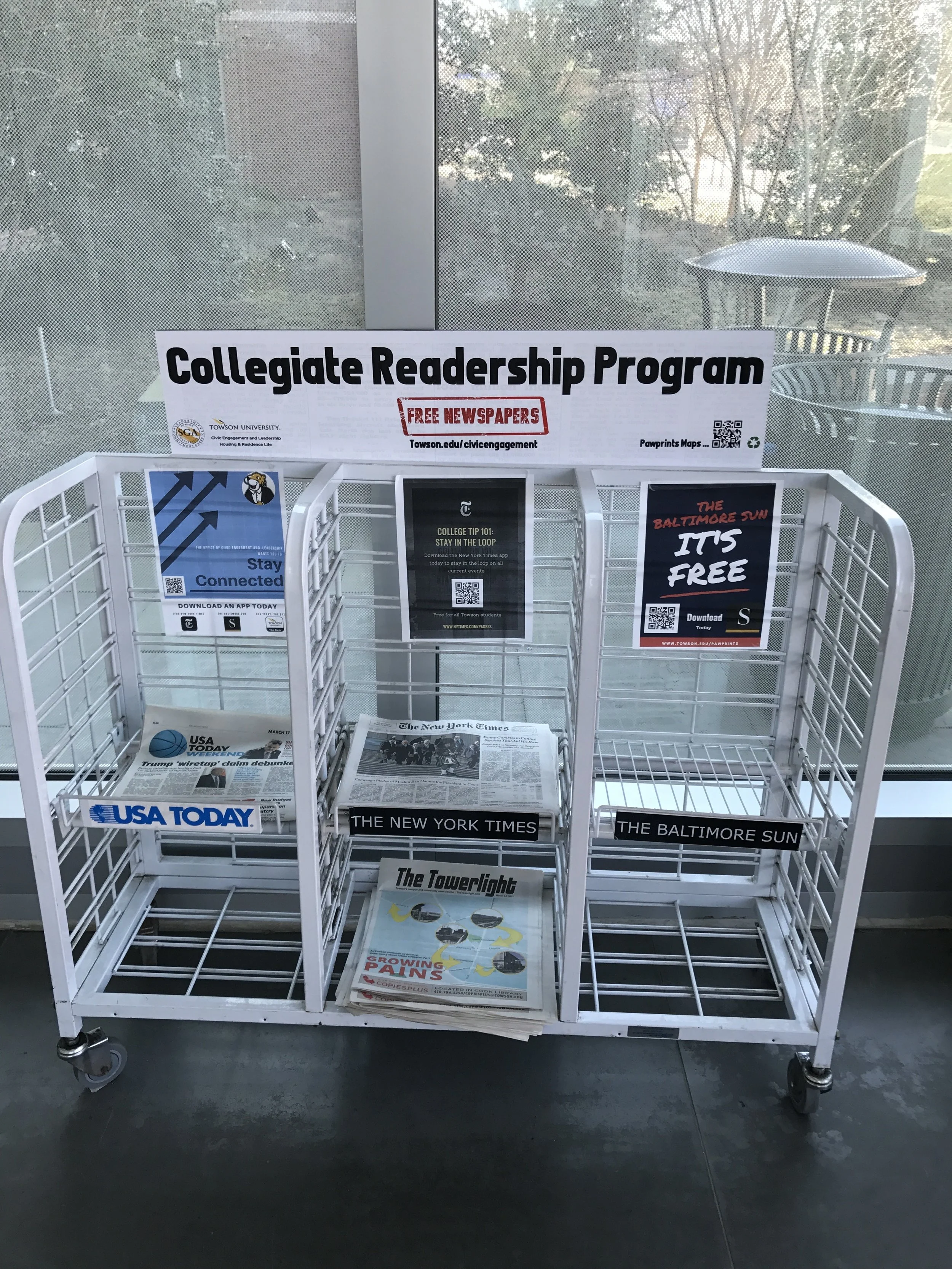
As part of my creative outreach work, I designed eye-catching promotional materials, bold, print-ready graphics crafted to stop people mid-stride and pull them into whatever event or message was being amplified. I paired that visual work with hands-on tabling events, setting up spaces where passersby could engage directly with my designs, learn about ongoing initiatives, and walk away with something tangible. Those same creative assets became a vehicle for something bigger than aesthetics I used them to champion voter engagement campaigns and help distribute free community newspapers, turning graphic work into a form of civic participation. It was a reminder that design, when pointed in the right direction, isn't just decoration; it's a tool for getting people informed, involved, and moving.
Design Project
USA Today
Civic Engagement and Leadership Office at Towson University
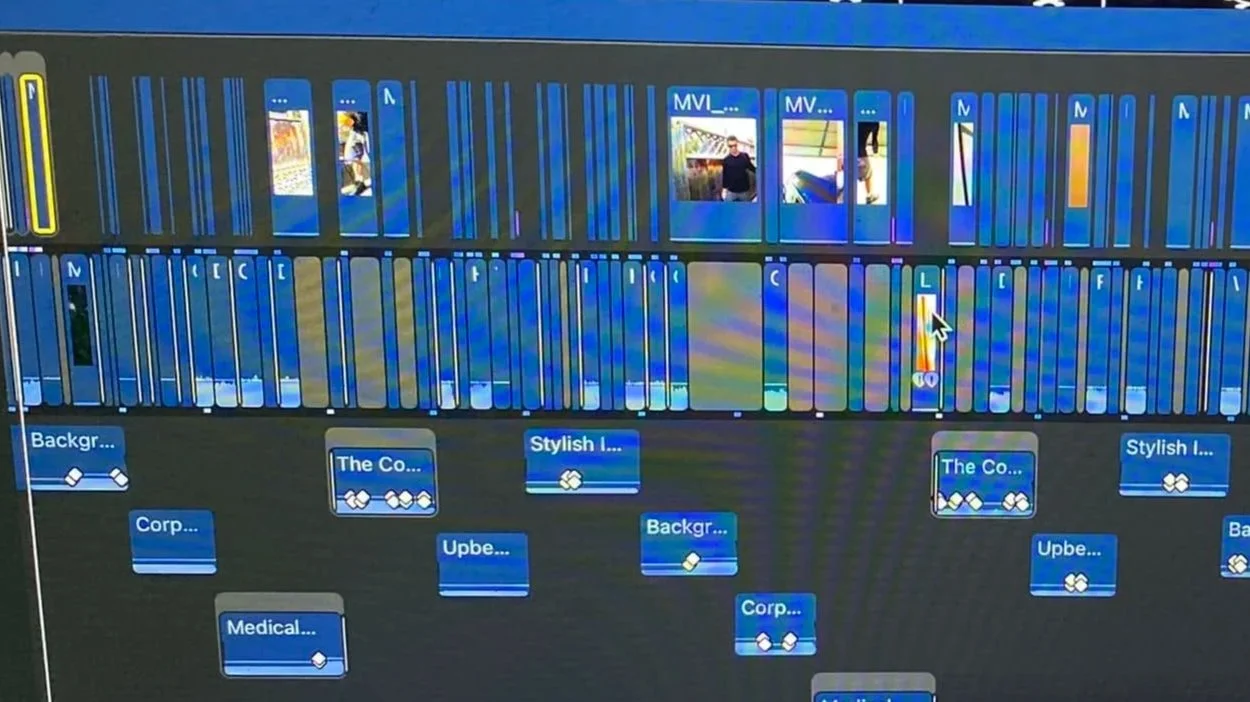
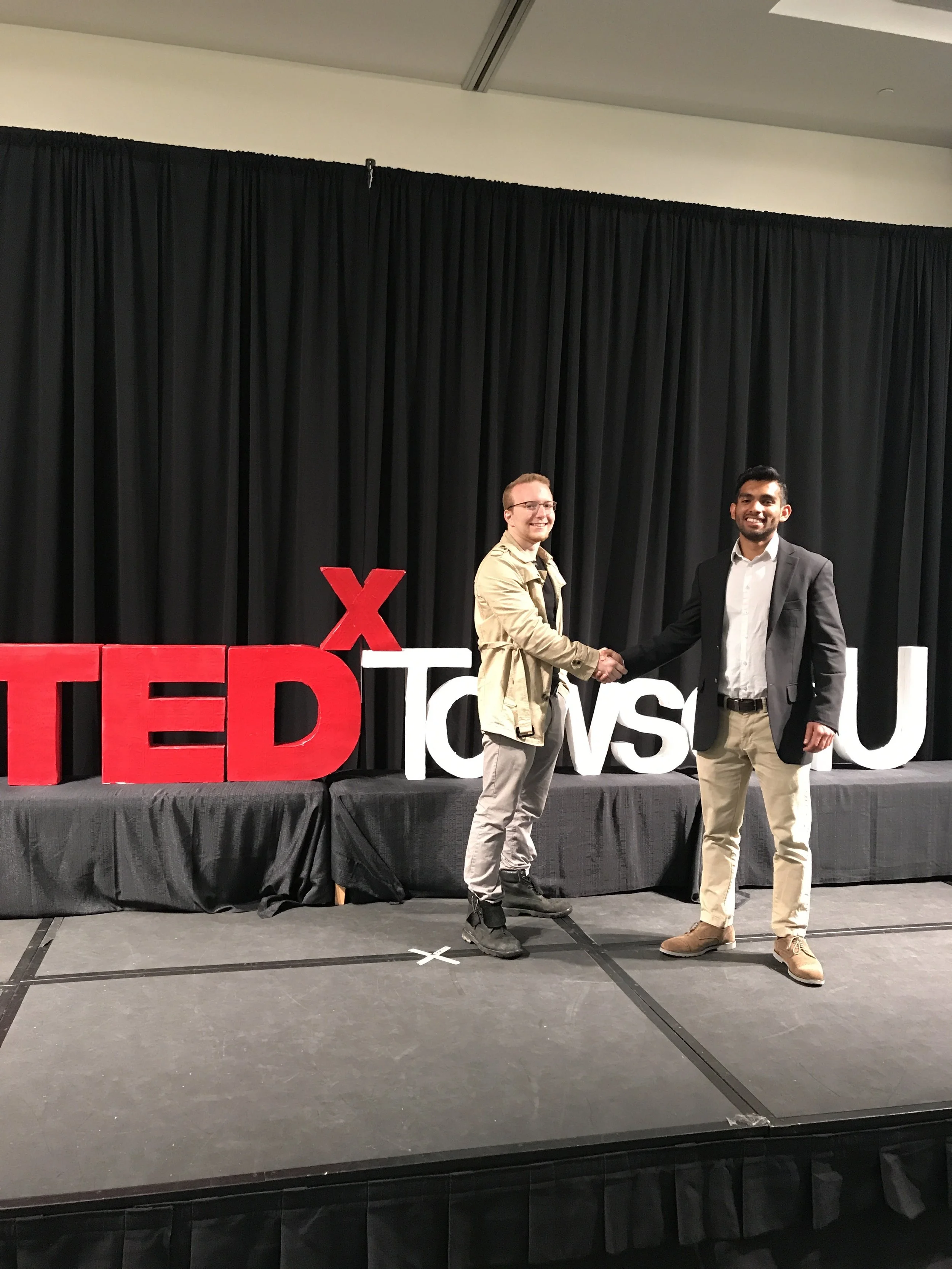
Shooting and editing a TEDx Talk for a college event is a rewarding creative challenge that blends technical precision with storytelling instinct. On the production side, a clean, stable camera setup was essential, ideally a primary locked-off shot framing the speaker from the waist up, with a secondary angle for cutaways that keep the edit dynamic. Lighting matters more than most beginners expect; a simple three-point setup can transform a flat auditorium stage into something that feels broadcast-ready. In post, the edit should serve the speaker's rhythm, not fight it, cut on natural pauses, trim dead air ruthlessly, and use b-roll or title cards sparingly to reinforce key ideas without distracting from the talk itself. Color grading should be subtle and consistent, and audio cleanup (reducing room reverb, evening out volume levels) often makes the biggest difference in perceived professionalism. The goal of the final product is simple: make the audience feel like they're in the front row, fully absorbed in the idea being presented.
Video Editing Project
TED X Towson